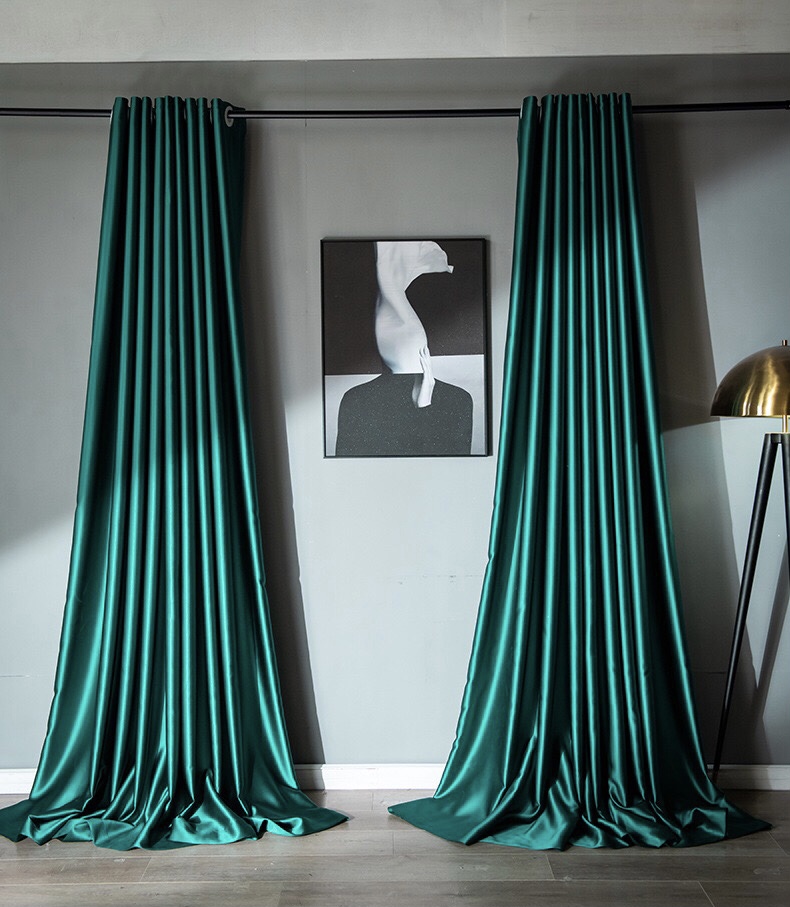
20 Free Suggestions for Finding Curtain Fabric in Lichfield, Birmingham and Walsall
Wiki Article
Local Guides To Curtain & Upholstery Fabric Shops: From Birmingham To Walsall
The West Midlands has a rich fabric shop whose designs could turn a straightforward sewing project at home or a professional refurbishment into an exciting adventure. This guide is more than listing on the internet, and will reveal the distinctive characteristics, specialties or hidden treasures that distinguish the fabric stores, from Birmingham's bustling markets, through Walsall's functional outlets, and Lichfield's well-curated stores. Knowing the local fabric shops is essential regardless of whether you're trying for heavyweight Damask fabrics for floor-length curtain panels, durable linen-blend upholstery for the family room, or delicate dress fabrics in a metre. Here, we detail the ten essential insights that will help you harness the potential of this region's textiles to ensure your hunt for upholstery and curtain fabrics will be as satisfying as the final product.
Here are the Top 10 Things you need to know.
1. The Specialized Geography: Birmingham Volume & Variety; Lichfield Curation; Walsall Value & Trimmings.
Don't believe that every location offers the same quality of service. Birmingham, especially the Rag Market located in the Jewellery Quarter and its specialist warehouses, has an unbeatable quantity of products, at reasonable costs for "fabric by meters" as well as a wide range of curtain and upholstery fabric. In contrast, Lichfield's independent fabric shops often focus on carefully curated collections, with premium designer fabrics and unique upholstery fabrics, backed by personal service that is expert and personalized. The fabric stores in Walsall are renowned for their trims and leather. They also provide an extensive selection of home furnishings and robust furniture, along with all the tapes, threads, and tie to make professional-quality curtains.
2. The difference between Light Heavyweight and Medium-Weight furniture.
Local stores classify curtains in a different way than the general "curtain" term. You must know the weight and the lining of curtains to make functional, made-tomeasure curtains. Birmingham's markets offer light cottons and voiles that can be used for sun-diffusing and comfortable styles. Lichfield boutiques sell medium-weight linens, blends, and cottons which provide the structure needed for traditional draped styles. The upholstery warehouses carry high-end fabrics, such as velvets blackouts and jacquards. These fabrics are excellent to block light, provide insulation and enhancing formality. A knowledgeable store in Walsall will ask questions about the window's design and curtain's function before suggesting a fabric.
3. Martindale Rub Tests are required to conduct "Upholstery Fabrics" compliance checks.
Only use fabric that is specifically designed for your furniture. The shops in all three locations with a good reputation will be happy to provide the Martindale Rub Count for any upholstery material. This is a proof of its durability. Residential seating needs at least 15,000 rubs; large domestic use requires 25,000+; commercial contracts require 45,000 or more. Birmingham wholesalers can provide technical sheets. Lichfield boutiques might explain to you the aesthetic benefits with a soft, however high score wool blend. This specification must be fulfilled for a long lasting result.
4. The Made-to-Measure Ecosystem: Many shops have trusted local makers.
The majority of local fabric stores, including those in Lichfield, Walsall and other areas, are part of an organization that is made up of local artisans. Request a recommendation from them for buying fabrics in metre-sized quantities. This is a win-win situation you get a knowledgeable trained, certified artisan who knows how to handle the fabric. The maker will get a customer who is well-prepared. This transforms a custom-made curtain project from a daunting undertaking into a seamless partnership.
5. Dress Fabric Dress Fabric. Furnishing fabric: Potential for cross-over and Pitfalls.
Birmingham's Rag Market may have aisles of stunning dress fabrics, but certain fabrics are also able to be used to make unusual lightweight curtains (think sheer overlays or cafe curtains). Utilizing standard curtains and upholstery fabrics as clothes is a huge mistake. Fabrics for furniture are coated and finished with chemical substances which are harmful to skin or do not breathe. A Lichfield shop that is specialized in both areas will demarcate these categories and advise on the few, appropriate cross-over exceptions.
6. The secret behind "Fabric per Metre" Pattern repeats and railroading.
The size of your window is not the only factor to take into consideration when purchasing fabric. If you are buying fabric with patterns the "repeats" that are in the design, will increase yardage. Walsall's shop will teach you how to calculate repetitions instead of width. If you're involved in large-scale projects such as sofas inquire if it's possible to "railroad" fabric. The pattern is arranged in a horizontal fashion across the bolt. Birmingham's commercial providers are usually willing to provide this information, as it can help you save a lot of fabric and cut seams.
7. Birmingham's hidden trade Counters: The Pro's Source for Upholstery Fabric.
Birmingham also has industrial-style trade suppliers. This is the best place to be if you are looking for upholstery projects of a major magnitude and large custom-made drapery orders. They may need an appointment or a trade account, but they offer showrooms with thousands of sample fabrics, exclusive contracts with major mills, and employees with deep technical knowledge. They are the unseen engine room of the region's fabric supply.
8. Lichfield’s Finishing Touch Philosophy. Trimmings are the final touch.
The finishing department of Lichfield is typically the most successful part of the department. A pair of curtains is defined by the trim you select, whether it's braids, fringes or a an edging. These stores have beautiful and sometimes exclusive trimmings that aren't available in the mass-market. They recognize that the best upholstery fabric for a chair is made by a perfect the welting cord and see these details as integral rather than an afterthought.
9. Walsall's practical Heritage The go-to for Leather and Hardwearing Domestics.
Walsall's rich industrial heritage is an advantage. Ses fabric stores offer the most robust and comfortable home upholstery fabrics. In the past, as a city where leather was employed many shops sell high-quality faux and real leather upholstery fabrics, which are available by the metre. Prices can be lower than general stores.
10. The Consultation Ritual: Bringing Your World to the Sample.
Consultation is among the most valued services retail stores can provide. Bring photos, paint/wallpaper samples along with the measurements you require to any shop in the area regardless of whether it's in Birmingham, Walsall or Lichfield. A good retailer can show you drapes under different lighting, describe how they fall, and provide large samples. This ritual transforms an abstract "fabrics per centimeter" to a sure customized idea for custom-made curtains or reupholstered chairs and encases your idea within the expertise of the local landscape. View the best upholstery fabric for site examples including window blinds, curtains in a window, curtain in the window, curtain fabric uk, measure curtains, the range curtains, curtains to blinds, curtain in the window, curtain shop, window blinds and more.

Calculating What You Need To Do To Diy Curtains & Upholstery
Creative projects often fail because they cannot take the leap from admiring fabric by the metre to purchasing the right amount required for their DIY project. Many creative endeavors fail because of the twin dreads of scarcity and waste. The result is that they either order too much or cease mid-project, which can result in costly cost. This guide explains how to make curtains and upholstery by going beyond the conventional length and width formulas, and incorporating additional variables such as patterns and piles of fabric. It is essential to connect this maths with the realities of purchasing fabrics from different types shops in the West Midlands. This acknowledges the fact that where you buy directly influences the way you calculate. These rules will assist you to transform yourself from a reluctant buyer to an experienced one who is capable of negotiating with market traders, boutiques as well as trade counters.
The 10 Most Important Things You Should Be Educated About:
1. The "Fullness Factor:" Why You Are Most Likely Doubling Your Rail Width (Not Matching It).
The most frequent DIY mistake is buying curtain fabric that matches the exact width of a curtain track or pole. This can result in plain, sparse curtains. Curtains that are made to measure professionally use "fullness factors" that are between 2 to 2,5 times the length of the rail. The excess fabric is then pleated into luxurious folds which stop light. You must multiply the width of the rail by 2.5 to determine the total fabric width required. For a rail of 200cm the fabric will require 500cm (5 millimeters) of fabric width total before pattern repetitions. This is not a matter of negotiation for a professional look and is the very first piece of information you should note before entering any fabric shop.
2. The Pattern Repeating Tax is a hidden multiplier that determines your meterage
When you choose a pattern fabric, your calculations shift from simple arithmetic into strategic planning. The pattern repeat must be multiplied by multiples. This measurement is visible on the tag or is determined by measuring between two distinct points in the design. The formula is **[(Finished Size + Heading Allowance + Hem) * [Pattern Repeat] = the number of repeats required. Round your number up. Multiply this number by the Pattern Repeat. A length of 250cm and a 64cm repeat length will require 3.9 repetitions. This number can be rounded to 4. 4 x 64cm equals an amount of 256cm. This "waste" often referred to as the "scrap" is essential to ensure pattern layout.
3. Buy wide fabric by length not width.
When it comes to large-scale projects, such as sofas or headboards using the traditional cutting technique (where pattern runs down fabric length) results in excessive seams. Railroading: Use the width of your fabric to determine the length of your project. If a fabric is 137cm wide and your sofa is 220cm long, you'd traditionally connect two lengths. Ask the shop whether it's possible to do so. You could cut the 220cm width of fabric by its width* if the fabric is long enough on the bolt. This will require longer length at first however it produces a seamless fabric. Birmingham's traders are skilled at this kind of calculation. Walsall's stores might need to be taught the concept.
4. The dressmaker's way of thinking: Curtains that respect the fabric's "Grain."
It is vital to cut curtains according to the grain, just as you would do in dressmaking. If you're seeking a straight drape, make sure that the threads of the fabric connecting selvedge to thread are vertically aligned. When you calculate the length of curtains take note that some furnishing fabrics have the appearance of a "nap" or directional pattern (like velvet or a stylised floral). It's important that every drop is cut the same. If not, then waste will occur. If you go to Lichfield's stores that specialise in dress fabric, you can instantly get the best advice by explaining to them why the need to cut on straight grain” for draperies. They are aware of the grainline integrity more than general furniture retailers.
5. The Lichfield Loophole and Its Calculation Quirk: Using Dress Fabric to Make Curtains.
You'll have to work with a small width when you choose to use a dress fabric (e.g. heavy brocade, linen, etc.) bought from an Lichfield retailer of curtains. Dress fabrics generally only 110cm-150cm long, are much narrower than standard curtain fabrics. To achieve your **Total Fabric width** (from 1), you will need to join more panels. This will affect seam allowance and pattern match. The calculation follows *Total Material Width needed * Bolt width of fabric = Number of Panels. ** Round up. Multiplying the total by your **Cut-Length** will give you the final metreage. It could cause more metres to be required than when using a wider fabric.
6. The "Upholstery Fabrics By Metre" Puzzle: Calculating Cushion Boxing & Buttoning.
Calculating the dimensions of a cushion or back is very simple width + seam allowance divided by length, plus seam allowance. The difficulty is in the depth of buttoning and boxing, which are the sides of a cushion. If you're looking to box a cushion you can determine its perimeter and add seam allowance. The length of the boxing strip is then determined by this. If you're making deep buttoned backings, double the flat area is needed to allow for the fabric that has been pulled through the tufts. Reputable shops in Birmingham specialising in upholstery fabric are likely to include "yield guides" or experts who are able to perform these calculations together with you depending on the specifics of your furniture's design.
7. Walsall value-engine: Sourcing first lines, calico and mock-ups.
Make your own "toile", or mock-up, using inexpensive calico prior to cutting your expensive main fabric. Walsall's fabric shops can be a great source for this essential but affordable muslin. Calculate and purchase calico using the same formulas as your final piece. This dry-run will show you any errors in your measurements, verify the accuracy of your calculations, and help refine the method of sewing. Walsall is an excellent location to purchase all of your interlinings and linings at the best price. Think of it as an additional, useful layer of calculation prior to making a purchase of face fabric.
8. The Selvedge & Shrinkage Allowance The Unseen Centimetres That Matter.
For each calculation, "invisible allowances" must be included. For seams, you should add 2cm on every side (so that 4cm would be added to the width of each panel, if it's side-seamed). The standard curtain hems come with the bottom hem is 15cm deep as well as a 10cm-high top heading. It is important to add an allowance for shrinkage of 5-8 percent for natural fibres such as linen and cotton in the event that you've already washed the fabric. This process could be dangerous for delicate, large cloth. To add 12,5cm to 250cm, you'd need to divide the length by 12.5. If you want a fabric shop to cut it to the metre, tell them your *cut-length* (including allowances) instead of your *finished-length*.
9. The Birmingham Bulk Buy Buffer - The Strategic "Safety Metre."
If you are buying from Birmingham's markets, or trade rolls in which re-ordering a specific dye-lot can be difficult implement a "safety meters" rule. When you've completed your final calculations, you should add one full length of a pattern (or half a metre in the case of plains). This will protect against any threading or cutting mistakes as well as any future repairs. This marginal cost is an affordable insurance policy against disaster. This buffer is less crucial in Lichfield since shops might be able re-order the fabric or purchase plain fabrics from Walsall.
10. The final pre-cutting verification: the "Layout" Ritual which is on flooring or paper.
Before cutting or get the fabric sheared in the workshop, you must perform an inspection. Utilize tape to trace the length and width of your bolt on graph paper or your floor. Layout the panels in a visual manner with a keen eye on pattern repetitions and nap direction. This "paper doll" exercise often reveals one last optimisation--perhaps re-ordering drops can save half a repeat. The last, contemplative stage is the one that separates a nervous DIYer from a confident maker. This ensures that each metre from Birmingham's hustle or Walsall's practicality has a purpose.